Blog ·
How a Custom Dining Table Becomes Your Home's Centerpiece
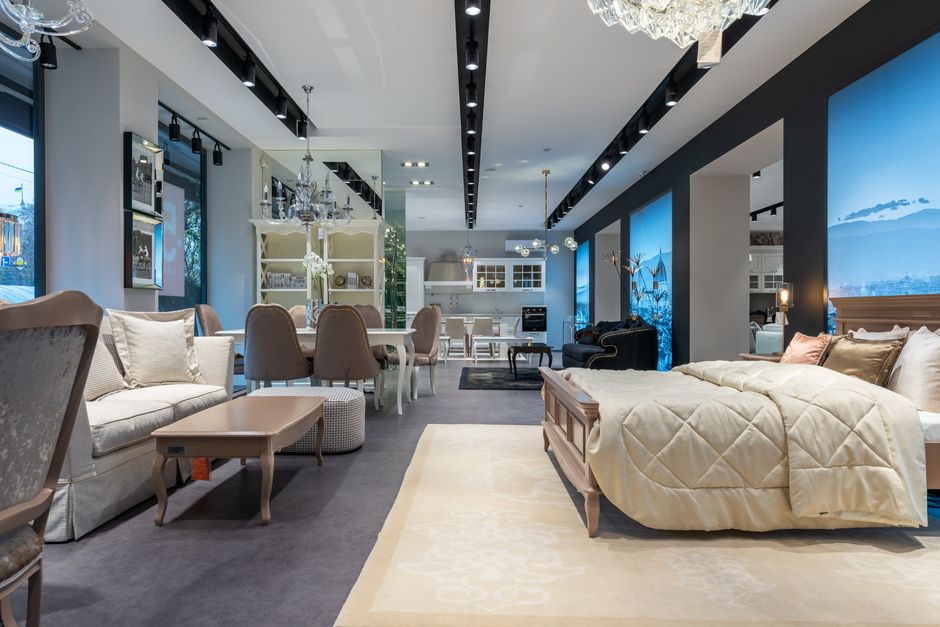
The dining table is often the physical heart of a home. It's where families gather, friends linger over dinner, children do homework, and important conversations happen. A custom dining table can transform this central space from ordinary furniture into something that genuinely reflects your home and life.
The first consideration is size. Your table needs to fit comfortably in your dining room with space for people to walk around chairs and open doors. It should be large enough that you're not crowded when hosting, but not so large that you feel isolated during everyday meals. A custom table allows precise dimensions—you're not choosing between too small and too large. You get exactly the size your room and your gatherings require.
Shape choices go beyond circular or rectangular. A custom table can be designed with rounded corners if that feels more appropriate for your space. You might want an oval for conversation, a rectangle for formal entertaining, or a square for intimate dinners. The shape you choose affects both the room's aesthetics and how people interact around the table.
Wood selection is deeply personal. Different woods bring different character. Oak has pronounced grain and warm tones. Walnut is dark and sophisticated. Maple is light and contemporary. Cherry is rich and warm. The wood you choose becomes the room's visual anchor. Some people want the grain to be prominent and expressive; others prefer a more subtle, finished appearance. These preferences are completely valid in a custom piece—you choose what resonates with you.
The finish protects and defines the table's appearance. A matte finish looks natural and less formal. Satin reflects some light and feels more refined. High-gloss makes a statement and looks very elegant but requires more maintenance. Your craftsperson can discuss which finish works with your wood choice and how much upkeep fits your lifestyle.
Details like edge profiles and base design influence both style and function. Do you want decorative carved edges or clean, modern lines? Will the table have four legs or a pedestal base? A pedestal base provides excellent legroom for dining. Four legs offer traditional appeal and stability. Even these decisions shape how your table looks and feels in your space.
The thickness of your table matters too. A substantial top feels solid and impressive. A thinner profile looks lighter and more contemporary. Both can be beautiful—it depends on the overall aesthetic you're creating.
Beyond aesthetics, a custom table is built to withstand real use. Quality wood and solid joinery mean your table handles the demands of daily dining, seasonal humidity changes, and years of gathering. Unlike mass-produced options, your table can often be refinished or repaired if needed, extending its life indefinitely.
A custom dining table becomes more than furniture. It's the physical embodiment of how your family gathers and spends time together. It reflects your taste in every detail and works perfectly in your actual space.